Category Archive : Plants

Green moss.

We all end up feeling better when we go outside or see plants, but did you know part of that is to do with the colours? Green specifically, which naturally gives off good vibes.

The colour green/ vert/ grün helps relax the body and mind. That can come from natural green colours or a green you’ve purposely added in somewhere. It’s also been discovered that seeing something green every day promotes happiness. 

Here are some ways to green up your life:

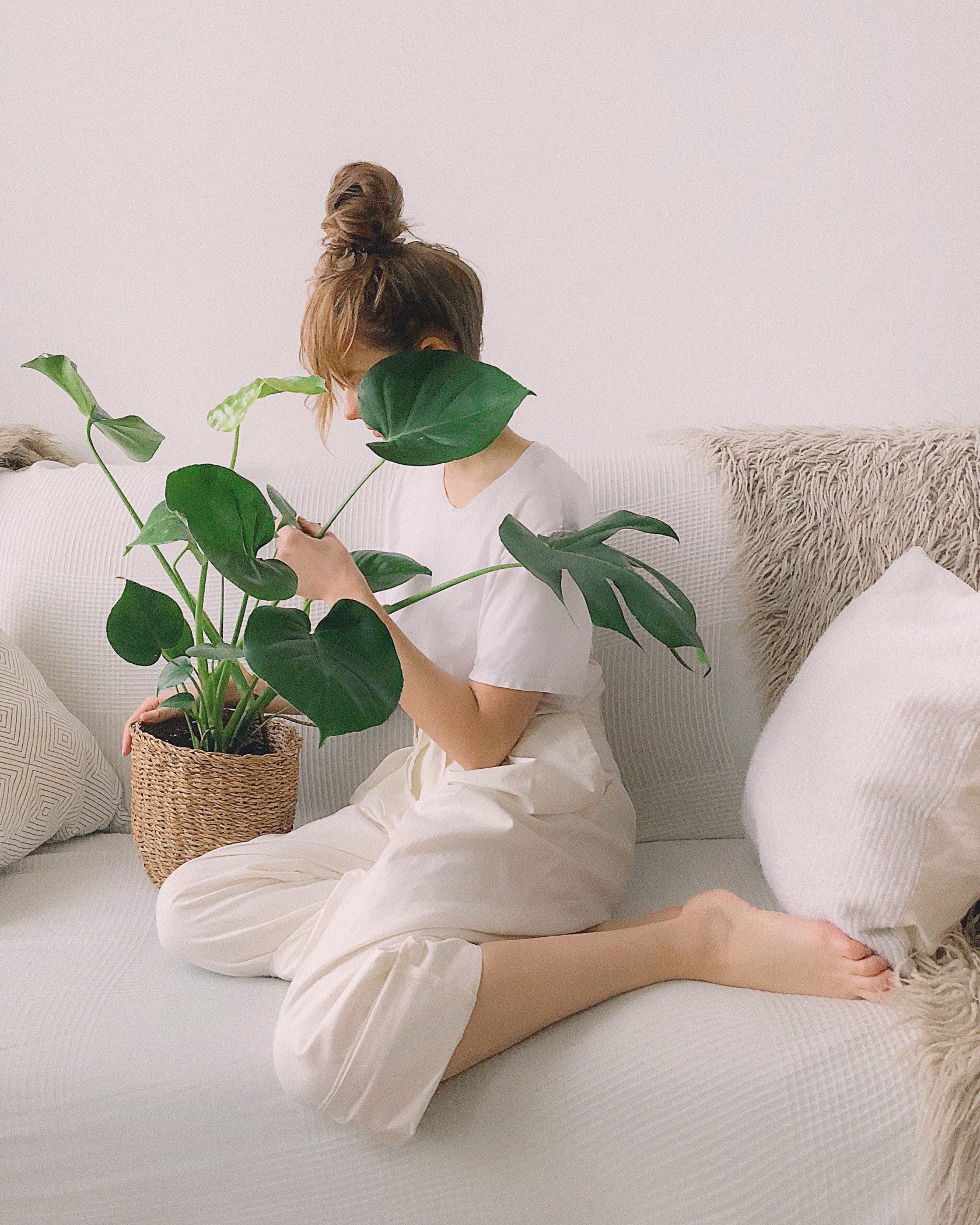
House Plants: take a stroll through your local plant shop to check out the greener they have and pick yourself up something illuminating. Even the walk-through and seeing all of the plants will be a good green experience.

Accent Wall: a green accent wall is a perfect addition to any space. This could work as painting the wall completely a shade of green you love or add paintings, wall hangings and mirrors to create a cute aesthetically pleasing view (start with a second-hand store first to raid their supply of green-coloured stuff)

Nature Walks: this is something you can never get enough of. The green mixed with the outdoors is the perfect combo to make you feel extraordinary. Soak up the benefits of green and even just sit and think for a while.

There are so many benefits to seeing green daily and tons of ways to see it. What are yours? Let us know on our Instagram @ageoflalpin


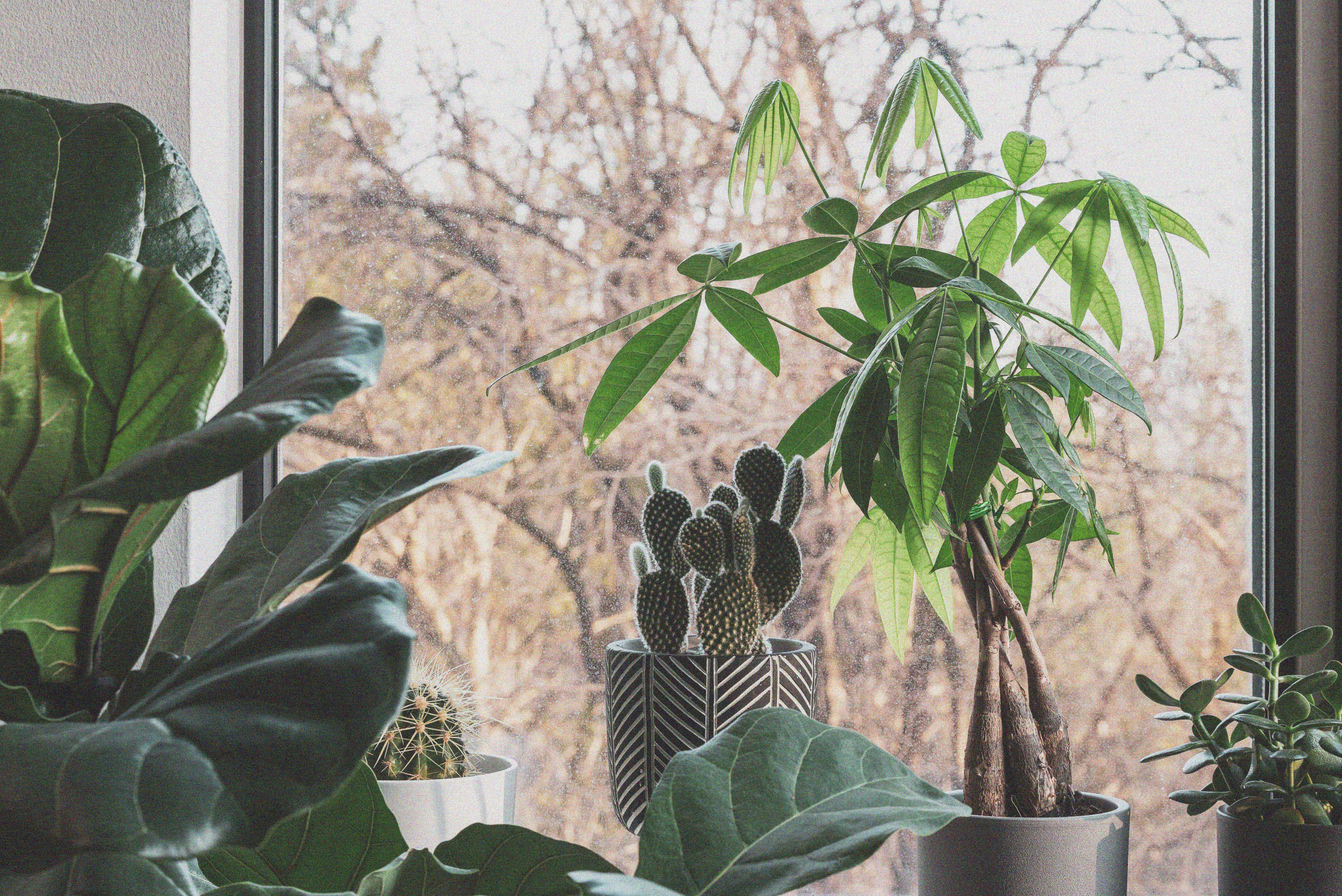
Money tree plant on window ledge

Feature Image by Scott Webb

Quick Facts: 

The money tree, Guiana Chestnut, is one of the most prosperous plants in the kingdom. It can be found in swampy conditions and they love the humidity. Their home bases of Central and South Africa are what give them a love for the heat. It has a braided stem that leaves you mesmerized with bold green leaves. While it improves your air quality, they also attract good vibes towards you.

Spirituality and Symbolism 

The money tree represents good luck and fortunes to whoever has it. It also brings positive energy that’s why it’s good for stress, anxiety and sleep. When it’s being given as a gift, those vibes are even higher and both people involved will benefit. Depending on the person, each unique trait of the plant can mean something different. Whether it be the number of leaves on steam or the height, it’s a token. 

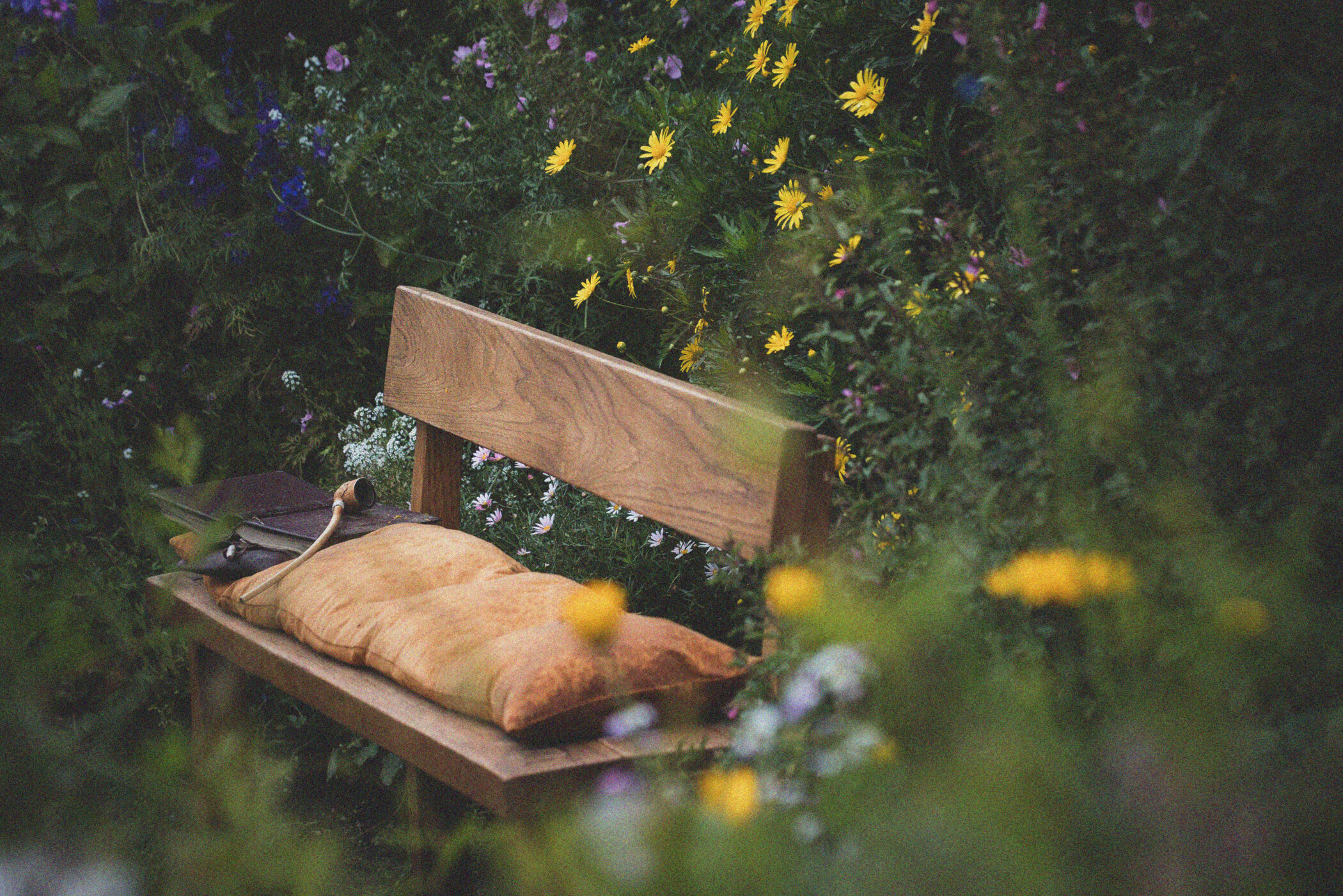
Bilbo's Pipe and bench with wildflowers

Cover Image from Brooke Marshall

Looking for things to do in Ontario or plans to visit? We’ve curated a list of some must-sees gardens for all you green thumbs out there. Each place makes you feel like a fairy in a secret garden and your pixie dust will refill once you leave. Every garden benefits the ecosystem with hundreds of insects pollinating to keep alive and protect various plant species to give us fresh and good vibes. With each having beautiful walks, places to stop and more, these outdoor gardens in Ontario are a must-see. 

Terre Bleu Lavender Fields | Milton 

 Photos from Terre Bleu Lavender Fields Facebook & Instagram

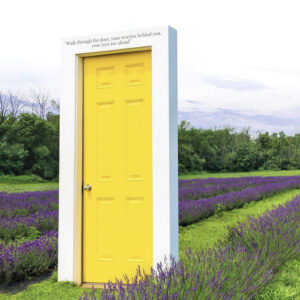
Make your wildest dreams come true at Terre Bleu with their gorgeous lavender fields and experiences like yoga, picnics and more as you gaze at the shades of purple. You’ll smell the beautiful aroma from the lavender buds as you walk through the fields and walking trails available in the Grand River Conservation Area. Terre Bleu makes lavender-infused bath and body products, aromatherapy items and snacks from their farm. Reserve your spot online to experience the full bloom before August 30th. 

Butterfly Conservatory & Botanical Gardens | Niagara Falls 

 Photos from Niagara Parks Facebook & Instagram

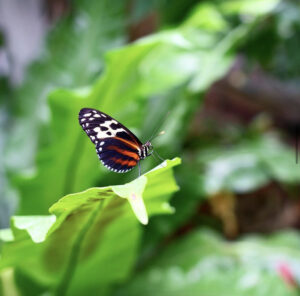
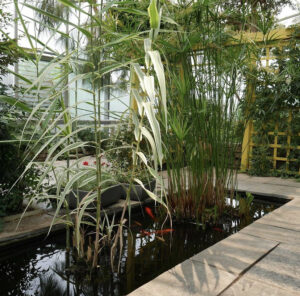
Welcome to your Ontario-based tropical garden oasis. Enjoy incredible floor-to-ceiling windows while over 2,000 colourful butterflies freely fly around you at the conservatory. The space is filled with tropical plants and flowers for the beauties to feel like they’re in their natural habitats. As one of North America’s largest butterfly conservations, the hour-long experience will have you floating out on any weekday that works for you. It’s an incredible place to learn about butterflies and get an up-close experience at nature’s symbol for transformation. 

The Fieldstone Barn | Elora 

 Photos from The Fieldstone Farm Facebook & Instagram

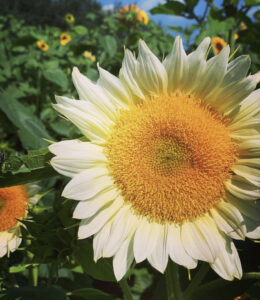
Bask in yellow sunflower fields, a colour that brings happiness and joy, just under two hours from Toronto. Tickets are available for purchase Friday-Sundays for August, starting on the 6th, for prime-time sunflower season, which lasts until the beginning of September. There are tons of opportunities for visitors to walk through their corn maze, pet some fur babies and take a look at tons of vintage props. The farm also has glamping available with stunning safari-style tents surrounded by nature and tons of cute accessories inside. 

Royal Botanical Gardens | Burlington

 Photos from Royal Botanical Gardens Facebook & Instagram

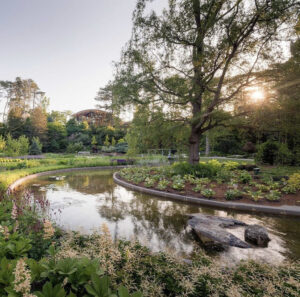
Located in Burlington, just outside of Toronto, this 1,100 acres outdoor and indoor garden features stunning water, places to pause and more. The jaw-dropping window-filled interior space has dining, vegan options included and shopping to grab plant decor, jewellery and more. The 72 KM of trails is surrounded by the botanical gardens making it a super scenic destination to relax and have a picnic or move.

Toronto Botanical Gardens | Toronto 

 Photos from Toronto Botanical Instagram & Edward Gardens Website

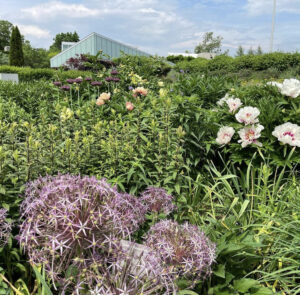
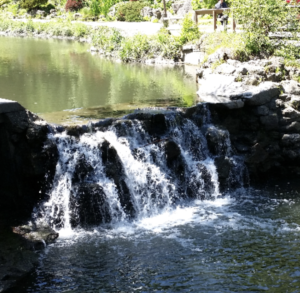
The Toronto Botanical Gardens (TBG) is the gatekeeper of all gardens with a number of different spaces to check out. This includes places like Edward Gardens filled with wildflowers, cobblestone stairs and hiking trails with a stream flowing through to add to the already peaceful ambiance. The TBG also has many themed gardens like Woodland Walk and Green Roof, and a shop with a variety of bulbs and seeds. It’s perfect for a day trip with pavilions and grasslands located everywhere for mindfulness stops and picnics and will leave you feeling like you stepped out of a scene from Alice in Wonderland. 

Pit Stop: 

Dahlia May Flower Farm | Trenton 

 Photos from Dahlia May Flower Farm Facebook & Instagram

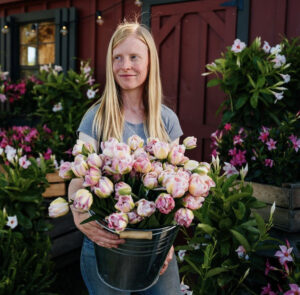
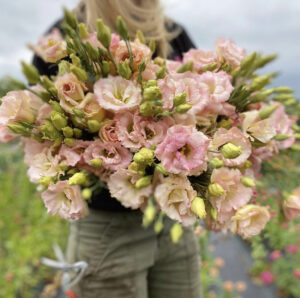
Need a rest? Stop by Dahlia May Flower Farm to grab yourself a beautiful and sustainably grown fresh bouquet. She has 3 acres of farmland to host hundreds of types and colours of flowers. It may be hard to bring home just one bouquet but she is open year-round when you fall in love. Open: Monday- Saturday 9 am – 5 pm, Sunday 10 am -5 pm, 1226 Stockdale Rd, Trenton.

How do you make a hot shower on a cold winter day even better? A fresh hanging eucalyptus bouquet. While we usually hear about eucalyptus essential oil being put into diffusers or products such as creams, placing a eucalyptus bouquet in the shower will cause the steam warm up the plant and release its essential oils, bringing out tons of health and wellness perks. It’s a really easy way to enhance your shower while bringing added benefits for your mind, body and soul.

Benefits of Hanging Eucalyptus in Your Shower:

  • Treat Colds: Eucalyptus is a power plant that drains and clears your sinuses to help reduce congestion from stuffy nose, sore throat, cough and headache to help you breathe a lot easier in times of need.  
  • Ease Pain:  Its anti-inflammatory and cooling properties help to reduce irritation that comes from things like sore muscles, cold sores and arthritis. The steam helps to cover your body from head to toe to soak in all of the benefits.
  • Stress Reliving: Not only does it helps clear your sinuses, but eucalyptus will help clear your mind as well! Every time you step in the a eucalyptus shower, you’re soaking in benefits such as helping to reduce anxiety, boost positivity and increase productivity.
  • Fantastic Scent: There’s nothing like the fresh smell of minty/ herby eucalyptus to awaken your senses and bring you into a new world. 
  • Beautiful Aesthetic: Hanging eucalyptus in your shower ads a really pretty look that’ll make you feel like you’re showering in a vacation destination. Check out our article 5 Items To Eco-Up Your Bathroom for more ways to enhance your bathroom.

How to Hang It, 3 Simple Steps:

  1. Buy Some Fresh Eucalyptus: find this at your local grocery store or flower shop
  2. Make Your Bouquet: with anywhere from 3-10 stems, depending on how intense you want the scent to be. Tie the ends together with some wire or string to connect them.
  3. Hang Under The Shower Head: Using a wire or string, place your eucalyptus bouquet

Maintenance:

The plant is hanging in a moist environment which will increase it’s hydration, so they will typically need replacing every 2-3 weeks. Listen to your inner planter and if you see it’s dying, use your judgement on when it needs to be composted, or dried to be used as decor and fresh eucalyptus bouquet needs to be started.

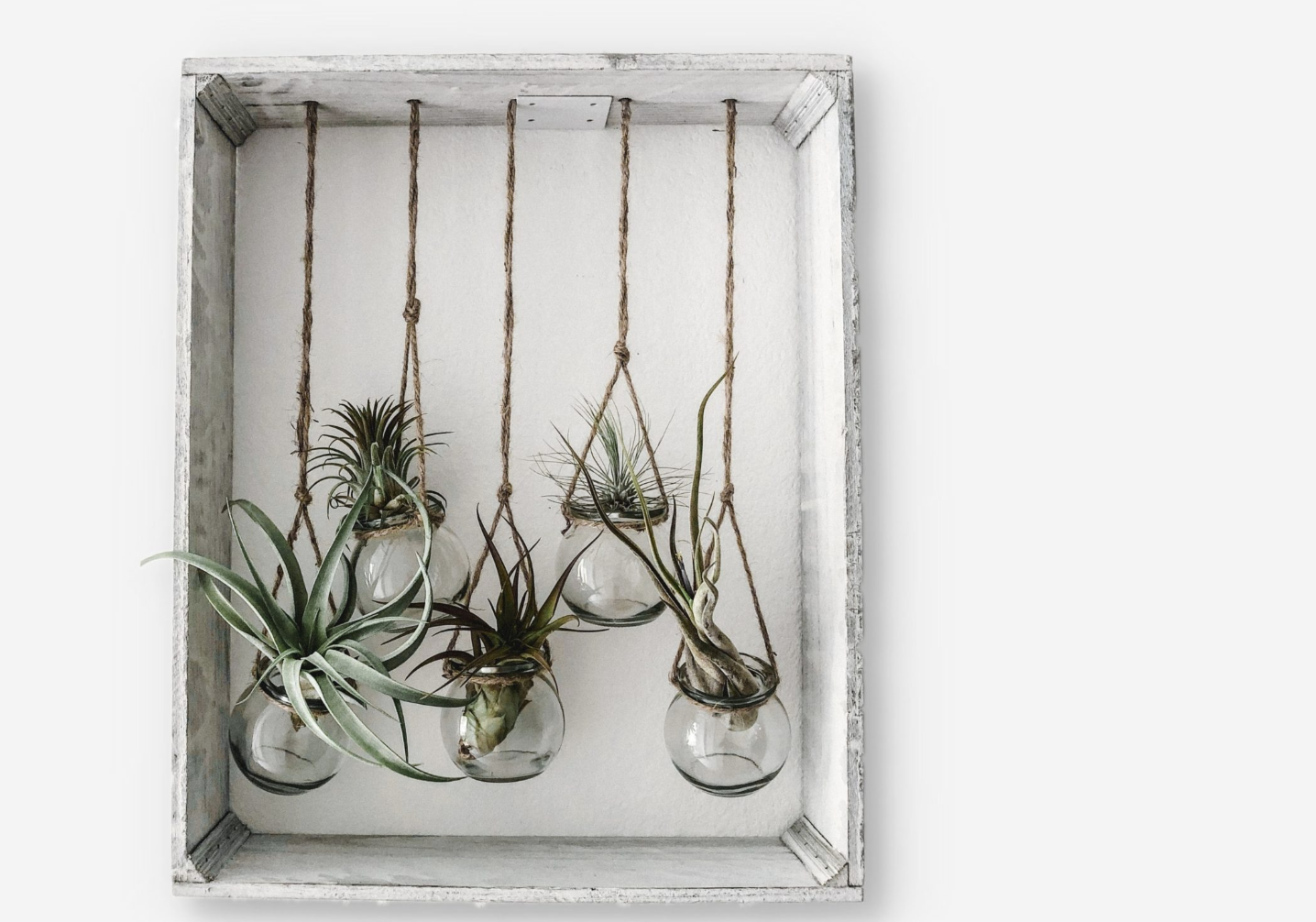
Formally known as Tillandsia, air plants are used in spaces around the world to create atmospheres that inspire a clear mind and leverage “decor with benefits”. Since they don’t use soil to grow, they’re super fun (aka easy) to take care of, making them a key item to add to your plant collection. Or the only item, if you don’t have much luck taking care of plants. You can find them at your local plant market in a range of different sizes from super tiny to wine-bottle size. Air plants are the perfect way to add greenery to your home, office or even your desk while minimizing commitment. 

Benefits of Air Plants 

  • Stress Relief: just like with all plants, keeping an air plant in your space helps reduce stress. The greenery acts as a natural mood booster, which can help stabilize potential anxiety. 
  • Clean Air: this plant is all about air-filtration by removing lingering toxins in your atmosphere, lowering your chances of getting sick and improving breathing.
  • No Mess & Easy To Care For: This dirt-free alternative lets you have a green thumb without the mess. It’s perfect for small spaces with  little upkeep needed. 

Where To Keep Them

As long as they’re getting the proper amount of sunlight, there’s endless freedom when it comes to designing a home for your air plants.  There are tons of cute ways and holders to help display your air plants that fit your style while matching the room you’re placing them in. Take a browse at your favourite local plant shop and they’ll be sure to have some holders to inspire your inner interior designer. 

Air Plant Care 101 

Air plants literally live in the air, so you don’t need to plant or re-plant them. They’re actually really easy for a beginner or pro indoor plant owner to take care of. To make sure your air plants are as healthy as possible follow these 2 simple care steps: 

  • Once per week, remove the plant from its holder and soak in water, stem down, for 15 minutes to 1 hour. You can use a bowl, cup, sink or anything else you can think of 
  • Remove it from the water when it’s done juicing up and let it air dry completely before you put it back in its container. When it’s dry you can give it a bit of a shake to make sure all of the water droplets get out. 

If you ever find your plants leaves turning brown and lifeless you could always spray the air plants with a light water mist.

Before Marie Kondo and her notable KonMari Method stole the show, Feng Shui was the buzzy go-to technique for creating a true and unique harmony for the interior and exterior of a home. That said, Feng Shui is anything but a trend. In fact, the practice’s roots date back to 3500+ years. Feng (translated to wind) Shui (translated to water) is an ancient Chinese discipline that focuses on optimizing the placement of objects in residences and businesses in order to promote harmony, positive energy flow, abundance and happiness. In practice, it can involve everything from decluttering your home to designing a bedroom that promotes better sleep and a heightened love life. 

At its foundation, Feng Shui is the science of using energy sources to create peace between people and their environments. According to the principles of Feng Shui the interior decor of a home must be arranged taking into account many guidelines: the presence of magnetic and energetic fields; how different shapes and forms influence us; how the eight cardinal directions affect us; and how Qi impacts our well-being. Practicing Feng Shui is about combining all of these principles and using what’s in our control to improve our surrounding energy so that it’ll attract those good vibes we are all looking for.  

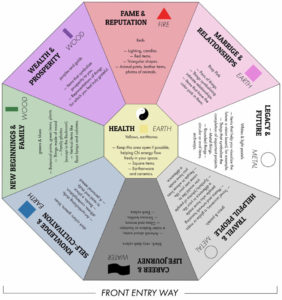
But how can your trendy new succulent be affecting the vibes in your home? According to this eastern philosophy, placing plants in certain areas within a home can positively influence our spiritual state. As plants are sources of life, they are Feng Shui heavy hitters; they are a physical embodiment of the material elements correlated with the love zones (earth element) and the wealth zones (wood element) on the Bagua, which is the Feng Shui floor plan map. Whichever plants you prefer to incorporate into your decor, choose lush, healthy ones and remember to quickly remove dying ones or they will generate negative energy. 

Source: Architecture Ideas

Entrance

This is a particularly important area to focus your Feng Shui efforts because it is at the entrance that the environment meets the Qi energy of the Universe. It is especially important to consider cleanliness and order to transmit a positive energy to all those who enter the home. Feng Shui recommends that you place a welcoming plant to draw attention in this area; peace lilies are among the most suggested plants in Feng Shui and can be a perfect solution for this space.

Living Room

This is the core of the house, a place to welcome guests and relax with family. In accordance to Feng Shui, it is advised that plants such as cacti or Tillandsia (air plants) should be positioned to the right of a TV or computer, or any area people may be using their cellphones for an extended period of time, like the couch. These specific types of plants help to absorb radiation and harmful frequencies from electronic devices giving your home a calmer vibe. 

Bedroom

By using Feng Shui in the bedroom, you can improve your sleep quality with a balanced space, and you will feel the effects quickly. It is suggested that a mint plant, capable not only of giving freshness to the space but also to our souls, will help us to move forward. With the right amount of care, this plant will also be stimulated to produce essential oils, ideal for combatting stress, fatigue and insomnia. English Ivy is another great addition as the trailing vines of ivy help soften any poison arrows that point at you while you sleep. Ivy is also great for the bedroom because it removes benzene found in plastics, and helps control formaldehyde from carpets and paint.

Kitchen 

Plants and Feng Shui are in closest contact in this area of the house; the kitchen is, in fact, one of the most important places in the home according to Feng Shui. This isn’t surprising when you think of the incredible power food has on our physical and mental state, and the overpowering combination of elements in this area. You’ve got fire from the stove; granite or tile counters, which incorporate earth; water running through the sink and dishwasher; metal in the appliances — four of the five elements all going at once. For this reason it is imperative to know how to set up the kitchen in the best way possible. It is suggested that you use fragrant plants, particularly rosemary, and note that large plants are not suitable for this space. The area is already overpowered with the fire element, excess wood energy, such as those brought by large plants, feeds this element even further and will cause an imbalance of energies. 


Lotus Symbolism - Spiritual Enlightenment Blog Image

Image by
Kumiko SHIMIZU

The lotus is the national flower of India and Vietnam, due to its popularity as well as its spiritual significance and cultural symbolism. Prominently present in Buddhism and Hinduism religions, the lotus has long been associated with many legends, myths and divine connotations, highly regarded as one of the world’s more mystical natural creations. For some, the lotus symbolizes ultimate perfection, spiritual enlightenment and relates to the ability of our souls to expand.

As our souls grow, we are in a better position to welcome the purity and beauty of life with a clear and higher consciousness.

In This Life or The Next

Buddhists believe that the lotus is representative of the cause and effect principle. Shedding its seeds while simultaneously blooming, the lotus actualizes the belief that every action or thought will cause an effect or reaction, which will be experienced or felt in this life or in one of our future lives.

Purity and Rebirth

Recognized as a beautiful flower that emerges from the bottom of murky and unclean pond, the lotus radiates and remains magnificent as it continues to flourish in a space of dirt and mud. As such it is acknowledged as a flower associated with purity and the ability aid us in our path to spiritual enlightenment. In Hinduism, the Lotus is identified as the flower of fertility, spirituality, prosperity and beauty.

The Lotus Pose

Arguably one of the most recognizable yoga poses, the Lotus pose offers a series of holistic benefits including stimulating the lymphatic system, releasing emotional blockages in the hips and helping us get grounded by connect us with our root chakras.

The Importance of Ritual: Summer Solstice and Cancer Season Blog Image

Image by

John Gibbons

For those who are very in tune with the planets and find themselves to be affected by natural and universal shifts, you may find yourself stepping into this Summer Solstice with an unexpected lump of emotion in your throat. Not only are we at a halfway point of the year, a time when we are meant to take stock of the past six months of our work, accomplishments, losses and spiritual growth, we are also at a critical period when we should be looking forward to the six months ahead, visualizing our next steps, setting our intentions, all while letting go of that which no longer serves us.

It’s a lot of pressure.

To top it off, this Summer Solstice happens on the exact same day when the sun moves into Cancer, which can characteristically be an emotional time. In addition to being the most emotional of all astrological signs, Cancer is also ruled by the moon, the ruler of all our feelings. So we have a trifecta of emotional turbulence running currents through our small human bodies.

So while we encourage acknowledging and honouring our tendency towards ups and downs, passionate outbursts, powerful tides of love and sincere vulnerability to heartbreak and disappointment, we do not view Cancer season as a time of weakness. To the contrary, the season of Cancer gives us the opportunity to demonstrate our hardshell strengths in the face of adversity, while embracing the opportunity to balance our masculine sun energy through the Summer Solstice with our feminine ties to the moon.

So How Do I Do That? 

Ritual. Ritual is everything when we are working with our universal connections. Rituals do not need to be anything extensive, that you’re not familiar with, they can be subdued, mindful moments of acknowledgment and self-love.

Here’s a couple ways to implement ritual this Summer Solstice:

Honour Your Work

Take 5 to 10 minutes and write down what you have accomplished over the past six months. Read your list as many times as you need to over the next few days to let acknowledgement of your accomplishments resonate within your soul. Further to that, write down what you want to let go, what hasn’t worked out and give yourself acknowledgement for trying. And then, tell yourself that everything that didn’t work out, or that no longer serves you is something you will not be taking into the next 6 months of the year with you. Let. It. Go. 

Smudge Your Space

Start the next six months off with a clean energy slate. Smudge your workspace, closets, and home with sage or palo santo. Clear old energy and make room for new positive frequencies.

Use Citrine

Said to embrace the energy of the sun, Citrine is one of the most powerful stones to use for stimulating passion, strength and the power of manifestation. Citrine is connected your Sacral and Solar Plexus chakras where our feelings of personal power, will and determination are found, as well as our capacity for abundance and joy.

Keep Citrine close to you over the next few days. Hold it in your hand while you meditate or visualize the next six months to come.

Self-Care with Meditation

This is a beautiful ritual that ideally we would make time for everyday. Take an hour to your self  and do something that is only and completely for you. Whether it’s yoga, a bike ride, a run, a salt scrub, drink a warm calming wellness tea afterwards. Then settle into a meditative state for about 10 minutes or more if you can. Clear your mind in preparation for what is right around the corner, while practicing tools to help deal with any Cancer-induced emotional tides.

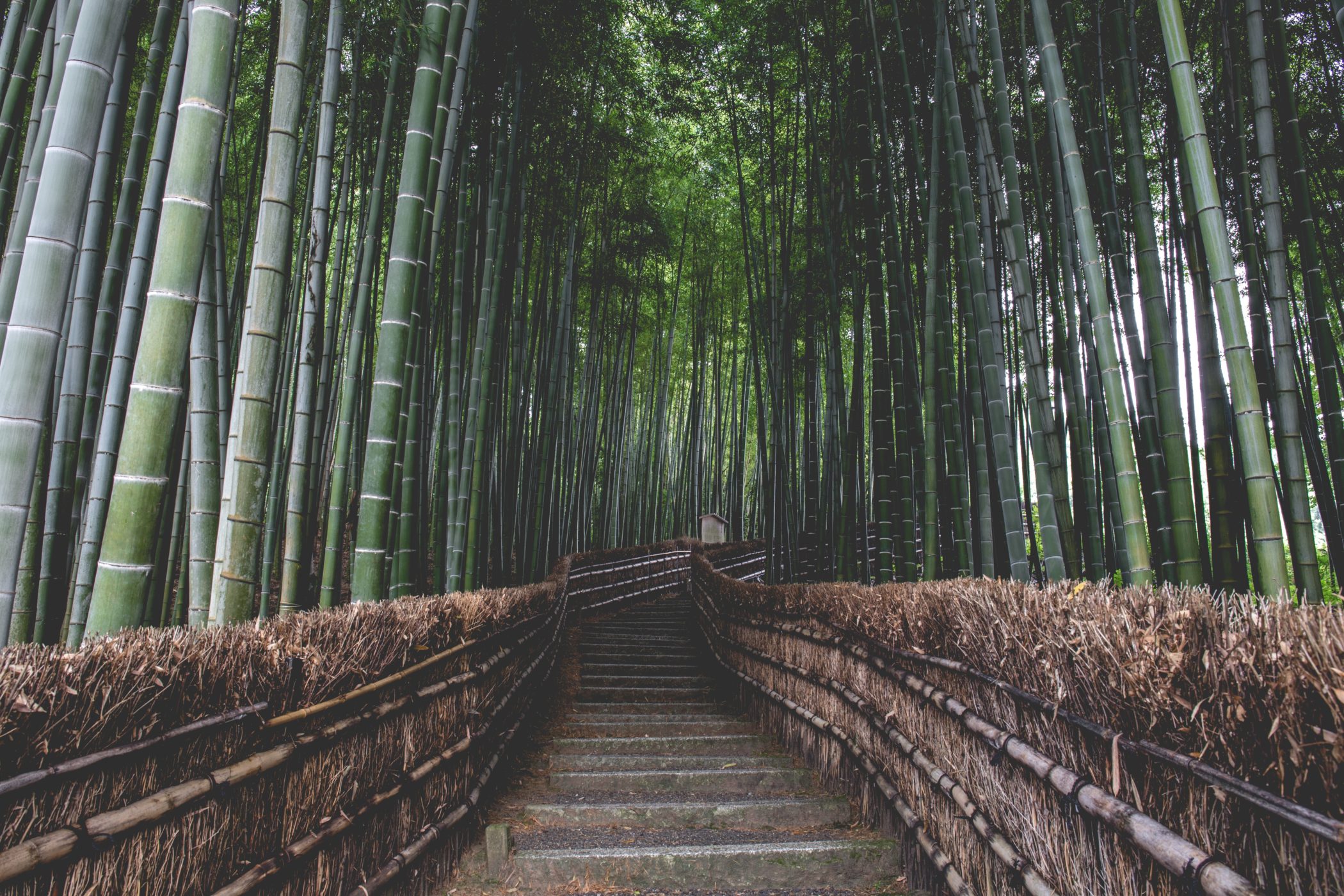
Bamboo Symbolism: Bend But Don't Break - Blog Image

Image Credit

Dil Assi
There are many life lessons we can learn from nature, with specific plants having the capacity to share their virtues with us. If we listen and observe mindfully, we can draw inspiration from many of these beautiful life forces, integrating their patterns and abilities to face adversity into our own day-to-day. One of the plants we admire most for this purpose is the bamboo. With similar characteristics to the cactus, bamboo reminds us to be strong, purposeful and joyful. One of our favourite quotes about bamboo comes from Bruce Lee who said, “Notice that the stiffest tree is most easily cracked, while the bamboo or willow survives by bending in the wind”

Quick Facts

Bamboo is the fastest growing plant on the earth and can reach its full height in one single season. China has the largest bamboo planted area with the history of Chinese people planting bamboo being traced from over 7000 years ago. Bamboo was incorporated into the daily life of the Chinese people as early as the 16th – 11th century BC, used for household materials, and construction, musical instruments, clothing and more.

Spirituality and Symbolism 

While there are many symbols traditionally associated bamboo such as luck, integrity and virtue, we love this plant for its ability to bend to new conditions, adapting to change while never breaking. The bamboo is one of the strongest materials and plants in any forest and the way it sways in rough winds and storms demonstrates its humility in circumstances that it can truly overcome. We work to remain humble in our grand universe, while showing our willingness to work with what comes our way.

“The warrior, like bamboo, is ever ready for action”

A beautiful quote from Aikido master Kenyo Furuya, we must be ever ready to move in our lives, and not become too comfortable in one state for too long. When we become complacent, we stop growing. Through strong practice, we remain ever ready to accept new challenges and new opportunities for love and growth.

The hollowness of the bamboo can be demonstrative of how strong we can be with a decluttered mind. We love to associate bamboo’s hollow interior to the daily practice of meditation. Clearing our internal headspace will enhance character and strength in the long run.

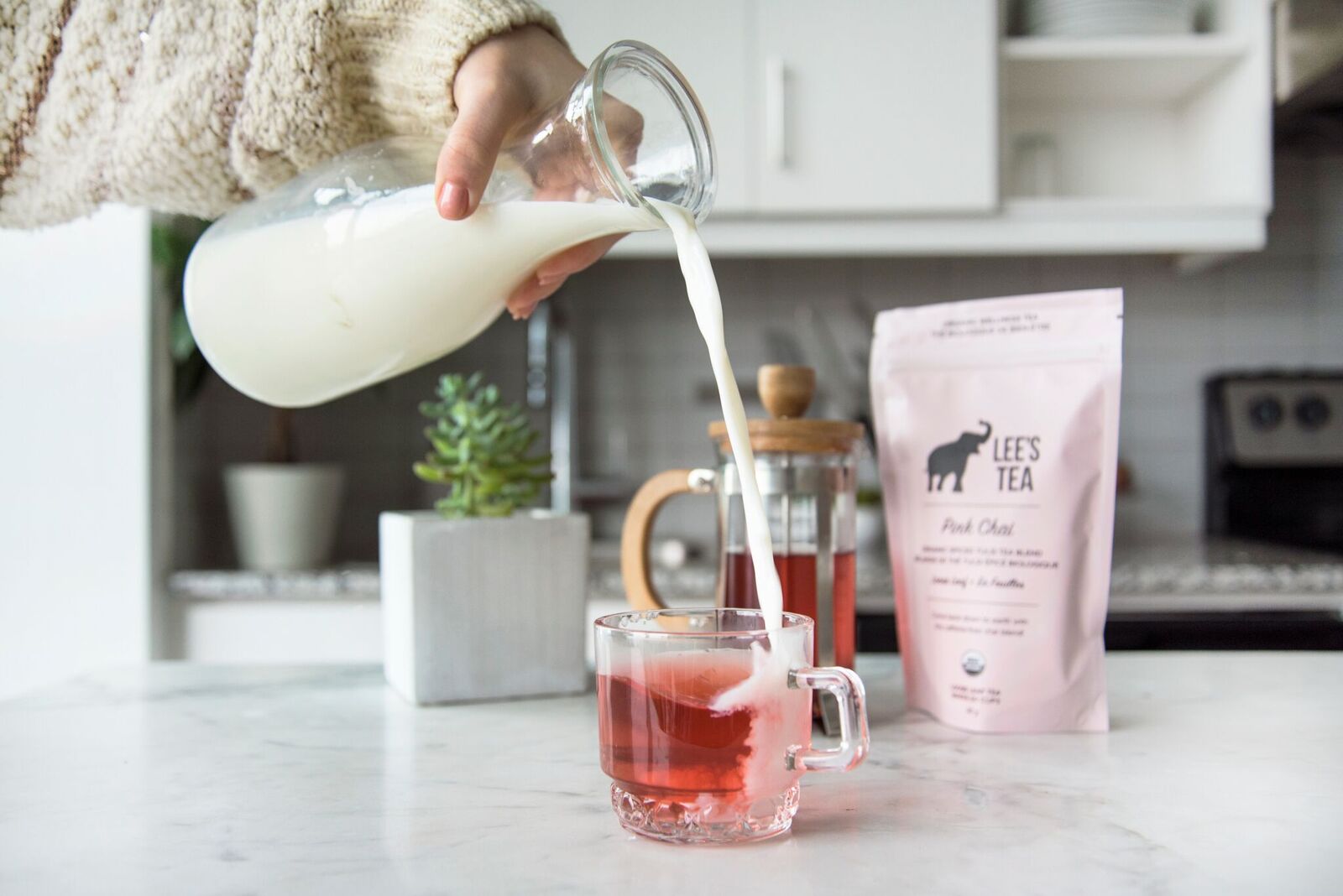
Wellness Tea 101 with Lee from Lee's Tea - Lee's Tea Product in Kitchen

As we traverse along our wellness journeys, some of us may have started sipping more teas following a basic understanding that they are typically better for us than alternative hot beverages and mocha frappa what-nots. And while our intentions are good, it’s important to be mindful of the difference between a wellness tea and a regular tea. Inspite of catchy names and cute branding, some teas are filled with unexpected items like artificial colouring, flavours and sweetners, rendering our attempts at a healthy alternative null and void.

So imagine our delight in discovering Lee’s Tea, a Canadian-born line of wellness teas that ticks all the boxes; delicious, full of good-for-you ingredients, cute branding and charitable (10% of all profits go towards saving the endangered Asian elephant).


We chatted with Lee Capatina, founder of Lee’s Tea to learn more about what makes a tea a “Wellness Tea”, how adaptogens work, stevia and more. You are also invited to join us for a Guided Meditation and Adaptogen Iced Tea Workshop led by Lee and hosted at Good Space on June 23rd. Check out full details here. 
 

1. The term “wellness tea” has been leveraged quite a bit recently in conversations around personal well-being and health.  What’s the difference between a “wellness tea” and a regular tea?


The main difference between regular teas and wellness teas is the ingredients in them and their intended uses. Regular teas are made from the leaves of the camellia sinensis plant, which are processed to create white, green and black teas. There’s no doubt that regular teas are good for you, as they are known to contain high levels of beneficial compounds such as catechins (primarily in green tea), amino acids and polyphenols (antioxidants). However, wellness teas take the benefits of tea to the next level. Wellness teas are formulated with adaptogens and other herbs intended to provide more benefits than your average cup of tea. These benefits range from improving digestion and focus, to boosting energy and libido, and everything in between.


2. Similarly, the concept of adaptogens is one that is new to a lot of people. Can you shed a little light on the term for us?


Adaptogens are such a fascinating group of herbs, which have recently become quite popular in the health and wellness community (for good reason). Some herbs in this family include ginseng, ashwagandha, tulsi, maca, cordyceps, reishi and many more. These ingredients have been used for thousands of years to help bring your body back to a homeostasis or state of balance. For example, if you are low on energy and need a pick me up, they provide a natural boost of energy. If you are stressed and anxious, they can help you calm down and relax. One way to understand them is to think of them like a best friend who always has your back and looks out for what’s best for you.
 

3. The adaptogen of choice for Lee’s Tea is Tulsi. What are the benefits of Tulsi and what inspired you to create a line of Tulsi-infused teas.


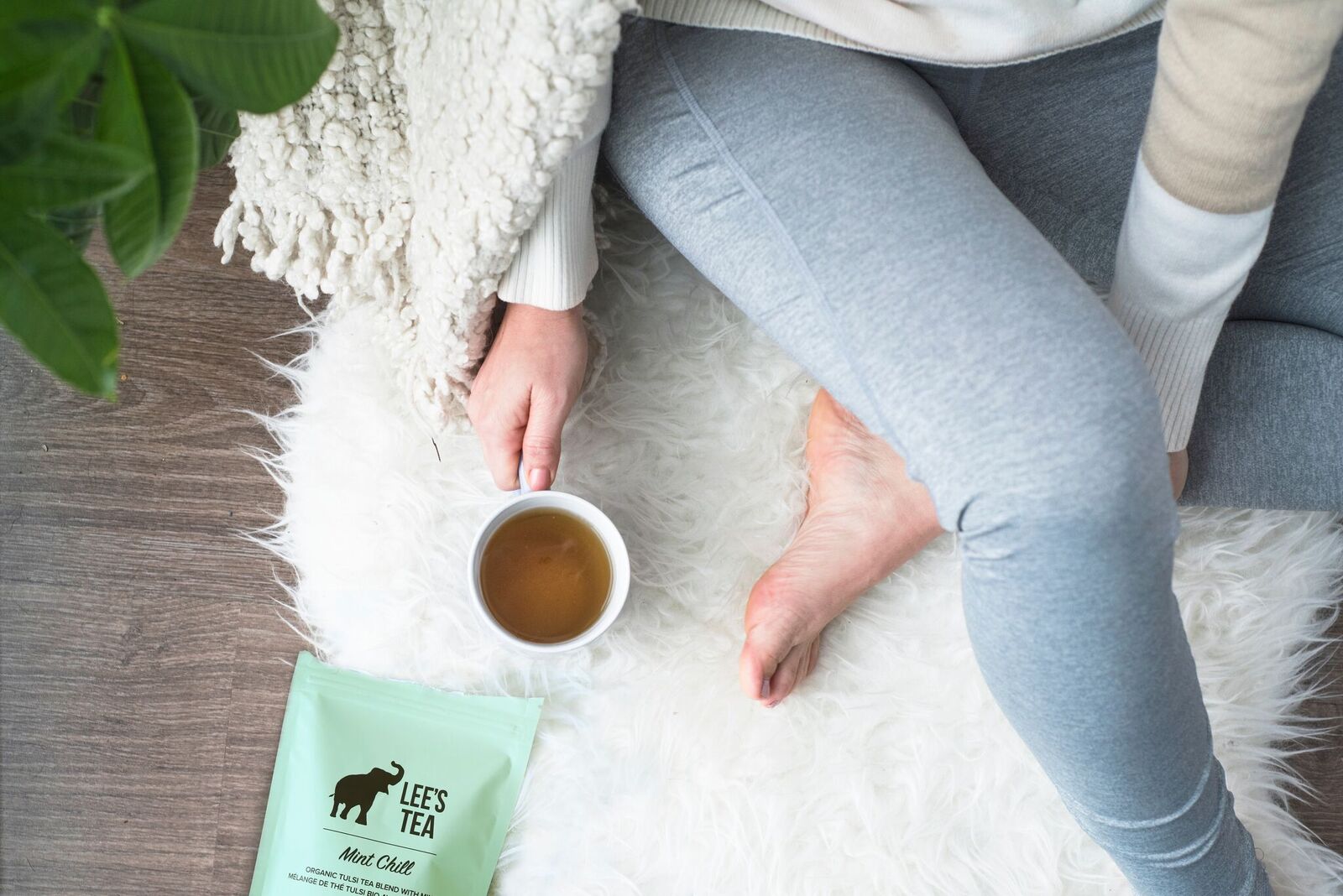
Yes, we absolutely love tulsi here at Lee’s Provisions! Also known as holy basil, tulsi is an incredible adaptogen that’s been used for over 5000 years in Ayurvedic medicine.


I first learned about tulsi from a friend who is a yoga teacher and an avid follower of Ayurveda. She taught me that this herb is very beneficial for my dosha, or Ayurvedic constitution and gave me a tulsi plant as a gift to plant in my garden. Since then, I’ve developed a deep appreciation for this herb and have incorporated it into my daily routine, mainly by steeping it as an herbal infusion. Since I began drinking tulsi tea every day, I’ve noticed my stress levels go down and my mind becoming more calm, clear and focused. Witnessing the benefits of tulsi firsthand inspired me to share this amazing herb with others, in my line of organic tulsi wellness teas. I even had a tulsi plant at my wedding, as it’s believed to bring good luck!


In addition to being an adaptogen, tulsi is also known to help relieve headaches, balance hormones, regulate blood pressure, reduce stress and increase energy levels.


4. Stevia is found in 3 of your teas. Are there any benefits to stevia aside from being a natural sweetener?


Stevia leaf grows in India where we source most of our organic herbs and spices, so it’s a natural fit for our teas. We use whole stevia leaf in some of our teas to round out some of the more bitter flavours of the herbs, which makes up about 1% of the total tea volume. Stevia leaf differs from stevia extract in that it’s not nearly as sweet as stevia extract and there is no after-taste. I chose to use whole stevia leaf as it’s completely natural and unrefined and doesn’t spike insulin levels. In addition, whole stevia leaf is also antibacterial, anti-inflammatory and contains high levels of antioxidants.
 

5. All four of Lee’s Teas are incredible. Do you have a favourite?


Thank you so much!


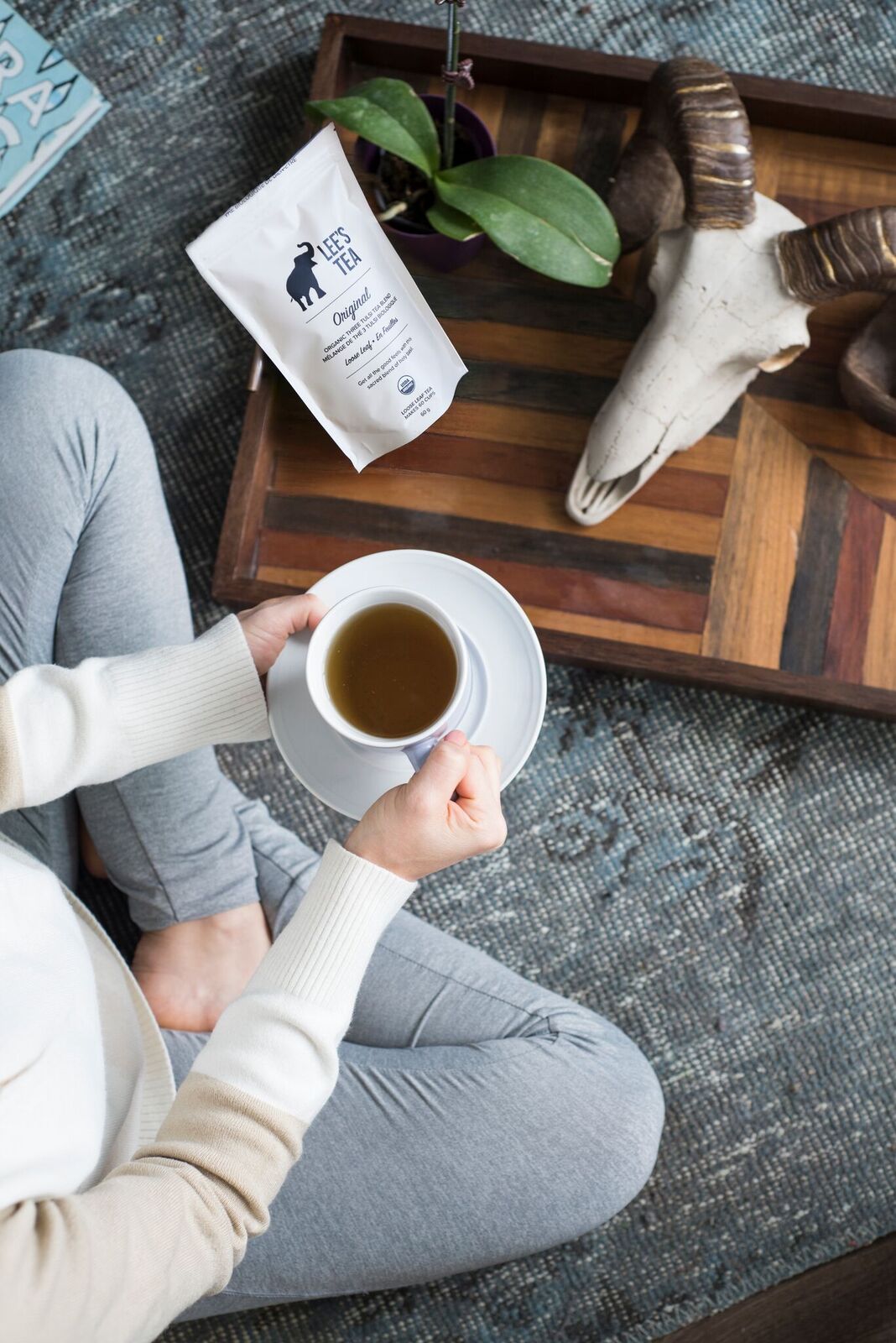
I’d have to say that Pink Chai is my favourite, as I love a good spicy chai. Not to mention the pink colour wins my heart, every time. That being said, each tea is very different and I have them on rotation so I can choose one based on how I’m feeling any given day.


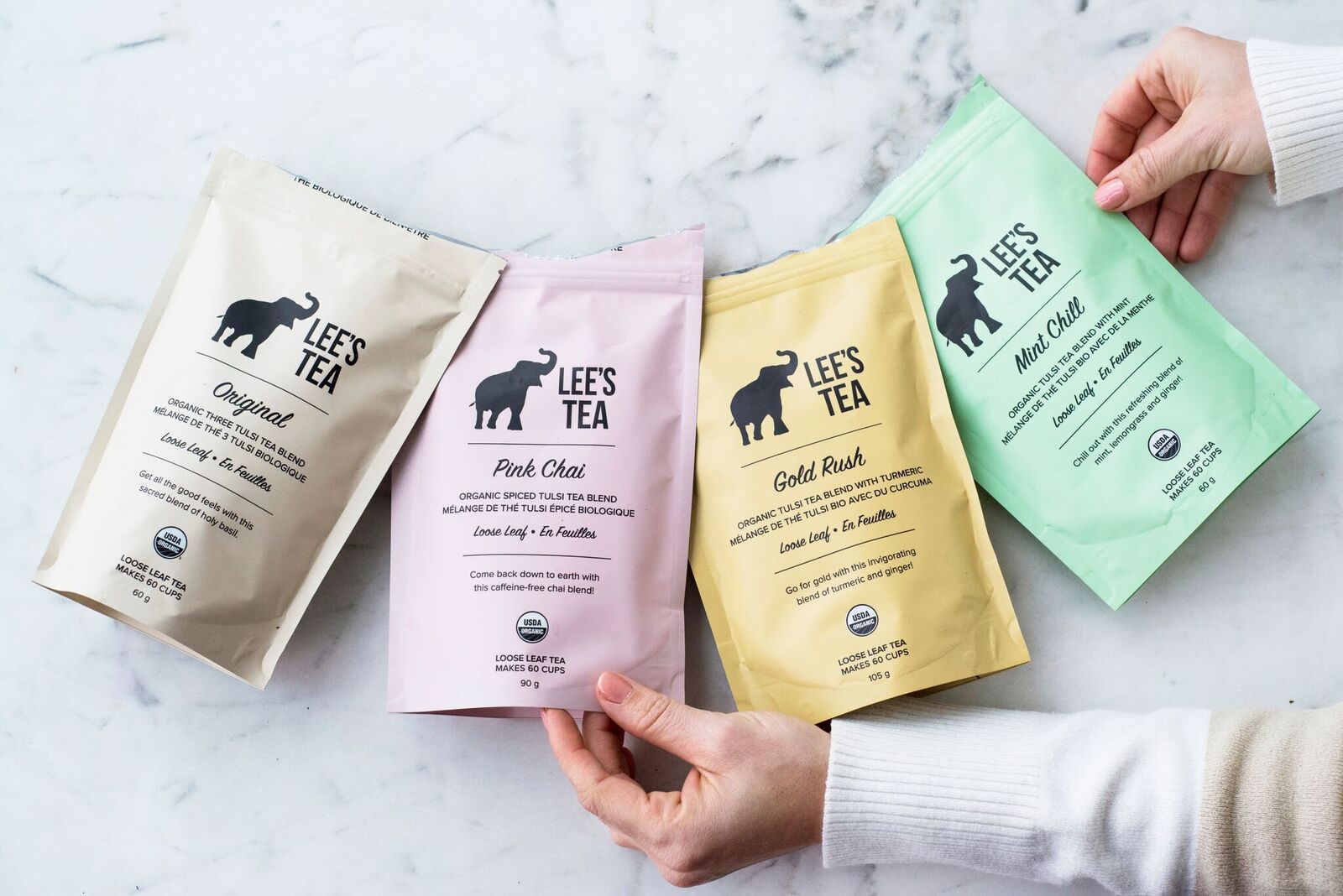
What many people don’t know is that each blend is designed to provide specific benefits. For example, the Mint chill is more cooling and is great for Summer or when you’re a bit agitated or fiery. The Pink Chai is really warming and grounding, which is great in the Winter or when you’re feeling a bit spaced out. The Gold Rush is the most stimulating and is great when your digestion is a bit sluggish in the Fall and Spring, when you need a bit of a detox or some extra energy to get you going. The Original tulsi blend is great to drink anytime, as it has the most adaptogenic properties. The important thing is just listen to your body and pick a tea that speaks to how you’re feeling.


Sources:

https://www.organicfacts.net/health-benefits/herbs-and-spices/health-benefits-of-holy-basil-tulsi.html

https://www.ncbi.nlm.nih.gov/pubmed/22455995

http://imsear.hellis.org/handle/123456789/156246

http://www.ajol.info/index.php/tjpr/article/view/14700

https://link.springer.com/article/10.1007/BF02942413